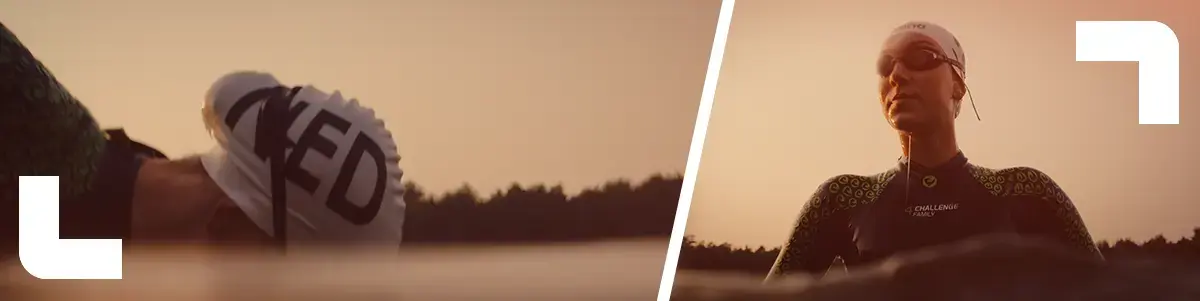
Have you ever seen a cinematic image where half of the shot is underwater and the other half is above the surface? That dreamy composition where air, light and water blend into one frame? It might look like something that requires expensive underwater housings or professional diving gear, but that’s not the case. With a bit of creativity, some understanding of optics and a smart do it yourself approach, you can achieve this effect yourself with stunning results.
Start with a Large Glass Aquarium
The foundation of this technique is surprisingly simple: a large glass aquarium. Choose a size that comfortably fits your camera and lens so you can position them at the desired angle without restrictions. Place the aquarium at the edge of the water, a pool, pond or large tank will do. Make sure it’s stable and perfectly level. Only then will the water sit evenly against the glass, creating a clean division between the wet and dry parts of your frame.
The Right Camera and Lens
For this setup we used a Cooke Mini S4/i Cine Prime 18mm. The reason? The 18 mm wide angle lens makes it possible to capture both the underwater world and the scene above the surface in one shot. Wide angle lenses also add depth and make the contrast between the two worlds more visually powerful.
Of course, you can use other lenses as long as you consider sharpness and light sensitivity. A fast lens with a low aperture helps brighten the darker underwater areas without overexposing the upper part of the image.
Avoid Reflections
One of the biggest challenges when filming through glass is dealing with reflections. Sunlight or artificial lights can cause unwanted glare, making your footage look messy. To prevent this, we pressed a Bright Tangerine Misfit Atom Matte Box gently against the aquarium glass. The matte box blocks stray light and keeps the image crisp, contrasty and glare free.
Manual Focus Control
Autofocus often struggles when shooting through glass and water because of light refraction. The best solution is to switch to manual focus. With a Tilta Nucleus M Wireless Follow Focus (Mono Set), you can adjust focus remotely and precisely. This gives you full control even when the camera is positioned inside the aquarium.
Framing the Perfect Shot
Now comes the creative part. Lower the camera until the waterline runs right through the middle of the frame. The goal is to balance both halves, air and water, reflection and clarity, movement and stillness. By adjusting the camera’s height, you can decide which part of the scene you want to emphasize.
The beauty of this effect lies in the contrast: the calm, mysterious underwater world versus the lively, colorful scene above the surface. Take your time to experiment with different positions and perspectives until it feels just right.
Light and Exposure
Underwater scenes are naturally darker than those above the surface. Keep this in mind when setting up your lighting. Soft, even lighting helps balance both sides of the image. You can use a reflector or an additional light source to gently illuminate the underwater portion. Avoid harsh shadows or direct sunlight reflecting off the glass.
Adding Atmosphere with Movement
A simple but effective trick to add more life to your shot is to slightly move the water before you start filming. Small ripples and waves catch the light and create a natural, dynamic look that adds realism to your scene. Just make sure the water movement is subtle, too much turbulence will blur the dividing line between above and below.
Safety and Responsibility
Even though this method works remarkably well, it’s important to proceed carefully. A glass aquarium is not a waterproof housing. Never submerge your camera completely and make sure no water enters the tank or reaches your gear. Secure everything firmly, use sandbags or supports if necessary, and keep towels or cloths nearby just in case. The safety of your equipment is entirely your own responsibility.
In Conclusion
With this do it yourself method, you can create one of the most enchanting cinematic effects without expensive gear. The combination of glass, water and light produces images that feel otherworldly, as if you’re looking into two realities at once.
Whether you’re a professional filmmaker or a creative hobbyist experimenting with new techniques, this project is a perfect way to elevate your visual storytelling. And best of all, you don’t even need to get wet.
Want to see how we pulled it off? Watch our video (on Instagram) and discover step by step how it all comes together in one seamless shot.